Ultraviolet (UV) light is a form of electromagnetic radiation that is invisible to the human eye but has significant effects on our health and environment. Understanding the different types of UV light—UVA, UVB, and UVC—is essential for recognizing the potential dangers associated with exposure. Each type of UV radiation has distinct characteristics and sources, which can help individuals make informed decisions about their protection against harmful effects.UVA rays, which account for approximately 95% of the UV radiation that reaches the Earth's surface, have longer wavelengths and can penetrate deep into the skin. These rays are primarily responsible for premature skin aging and can contribute to skin cancer over time.
UVA exposure is consistent throughout the day and can even penetrate through clouds and glass, making it crucial to protect yourself from these rays regardless of the weather.On the other hand, UVB rays have shorter wavelengths and are responsible for causing sunburn. They play a significant role in the development of skin cancer as well. Unlike UVA rays, UVB intensity varies throughout the day, peaking between 10 a.m. and 4 p.m.
during sunny days. This variability means that individuals need to be particularly vigilant during these hours to minimize their risk of harmful exposure.Lastly, UVC rays are the most dangerous type of UV radiation; however, they are completely absorbed by the Earth's atmosphere and do not reach the surface. While UVC is not a direct concern for everyday exposure, artificial sources such as certain types of lamps used in sterilization processes can emit UVC radiation. Understanding these distinctions between UVA, UVB, and UVC is vital for anyone looking to safeguard their health against the hidden dangers of UV light.
The Health Risks Associated with UV Exposure
Exposure to ultraviolet (UV) light poses significant health risks that are often underestimated.Understanding these risks is crucial for taking appropriate protective measures. The primary health concerns associated with UV exposure include skin cancer, eye damage, and premature aging.
Skin Cancer
One of the most alarming consequences of prolonged UV exposure is the increased risk of skin cancer. There are three main types of skin cancer linked to UV radiation:- Basal Cell Carcinoma (BCC): This is the most common form of skin cancer, often appearing as a small, shiny bump or a sore that doesn’t heal. BCC typically develops in areas frequently exposed to the sun.
- Squamous Cell Carcinoma (SCC): SCC can manifest as a firm, red nodule or a flat sore with a scaly crust.
It is more aggressive than BCC and can spread if not treated promptly.
- Melanoma: Although less common, melanoma is the deadliest form of skin cancer. It can develop from existing moles or appear as new, unusual growths. Early detection is critical for successful treatment.
Eye Damage
UV radiation can also have detrimental effects on eye health. Prolonged exposure can lead to several serious conditions:- Cataracts: This condition causes clouding of the lens in the eye, leading to blurred vision and potential blindness if untreated.
- Pterygium: Often referred to as "surfer's eye," this growth on the conjunctiva can obstruct vision and may require surgical removal.
- Macular Degeneration: UV exposure may contribute to age-related macular degeneration, a leading cause of vision loss in older adults.
Premature Aging
In addition to serious health risks, UV exposure accelerates the aging process of the skin.This phenomenon, known as photoaging, manifests through:
- Wrinkles: UV rays break down collagen and elastin fibers in the skin, leading to sagging and wrinkles.
- Age Spots: Also known as liver spots or solar lentigines, these flat brown spots appear on sun-exposed areas and are a direct result of UV damage.
- Pores: Sun exposure can enlarge pores and create an uneven skin texture.
How UV Light Affects Your Skin and Eyes
Ultraviolet (UV) light, while often associated with sunbathing and outdoor activities, poses significant risks to our skin and eyes. Understanding these effects is crucial for anyone looking to protect themselves from the hidden dangers of UV exposure.Effects of UV Light on Skin
The skin is the body's largest organ and serves as the first line of defense against environmental threats, including UV radiation. When UV rays penetrate the skin, they can cause a range of harmful effects:- DNA Damage: UV radiation can directly damage the DNA in skin cells.
This damage can lead to mutations that may result in skin cancer over time. The most common types of skin cancer associated with UV exposure are basal cell carcinoma, squamous cell carcinoma, and melanoma.
- Premature Aging: Chronic exposure to UV light accelerates the aging process of the skin, leading to wrinkles, fine lines, and age spots. This condition is often referred to as photoaging.
- Sunburn: Acute exposure to UVB rays can cause sunburn, characterized by redness, pain, and peeling skin. This is a clear indication that the skin has been damaged by UV radiation.
- Immune Suppression: UV exposure can suppress the local immune response in the skin, making it more susceptible to infections and reducing its ability to repair itself.
Effects of UV Light on Eyes
The eyes are also vulnerable to the damaging effects of UV light.Prolonged exposure can lead to several serious conditions:
- Cataracts: One of the most common eye disorders linked to UV exposure is cataracts, which cloud the lens of the eye and can lead to vision impairment or blindness if untreated.
- Pterygium: This growth of tissue on the surface of the eye can be triggered by excessive UV exposure. It can cause discomfort and affect vision if it grows large enough.
- Macular Degeneration: Long-term exposure to UV rays may contribute to age-related macular degeneration (AMD), a leading cause of vision loss in older adults.
- Photokeratitis: Often described as a sunburn of the cornea, photokeratitis results from intense UV exposure and can cause temporary vision loss and discomfort.
The Role of UV Light Installation Companies in Safety
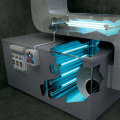
In today's world, where the dangers of UV light are increasingly recognized, UV light installation companies play a crucial role in enhancing safety and well-being. These specialized companies provide advanced systems designed to mitigate harmful exposure to ultraviolet radiation, which can lead to serious health issues such as skin cancer and eye damage.One of the primary benefits of utilizing UV systems is their ability to effectively filter out harmful UV rays in various environments.For instance, residential and commercial spaces can benefit from UV light installations that reduce the intensity of UV radiation indoors, thereby protecting occupants from prolonged exposure. This is particularly important in settings where natural sunlight is abundant, such as sunrooms or large windows.
Professional Installation and Maintenance
While the technology behind UV systems is sophisticated, the importance of professional installation cannot be overstated.
UV light installation companies
ensure that these systems are correctly integrated into existing structures, maximizing their effectiveness. Proper installation involves assessing the specific needs of a space, determining the optimal placement of UV fixtures, and ensuring compliance with safety standards.Moreover, regular maintenance is essential for the longevity and efficiency of UV systems.Installation companies often provide ongoing support and service plans that include routine inspections and replacements of UV bulbs. This proactive approach not only extends the lifespan of the equipment but also guarantees that it continues to operate at peak performance, providing consistent protection against harmful UV exposure.
Safety Measures and Education
In addition to installation and maintenance, many UV light installation companies prioritize educating their clients about the importance of UV safety measures. They offer guidance on how to complement installed systems with other protective strategies, such as using window films or wearing protective clothing when outdoors. By fostering awareness about UV risks and prevention methods, these companies empower individuals to take charge of their health.In conclusion, the role of UV light installation companies extends far beyond mere installation; they are pivotal in creating safer environments by providing effective solutions against harmful UV radiation.
Through professional expertise in installation and maintenance, along with a commitment to education, these companies contribute significantly to public health and safety.
Protective Measures Against UV Exposure
Protecting yourself from the harmful effects of UV rays is essential for maintaining skin health and overall well-being. Here are some effective strategies to minimize your exposure:1.Sunscreen Application
Using sunscreen is one of the most effective ways to shield your skin from UV radiation. Here are some tips for proper application:- Choose the Right SPF: Select a broad-spectrum sunscreen with an SPF of at least 30. This ensures protection against both UVA and UVB rays.
- Apply Generously: Use about an ounce (a shot glass full) to cover your entire body.
Don’t forget areas like your ears, neck, and the tops of your feet.
- Reapply Regularly: Reapply every two hours, or more often if you’re swimming or sweating. Even water-resistant sunscreens need reapplication after swimming.
- Check Expiration Dates: Sunscreens can lose their effectiveness over time, so always check the expiration date before use.
2.Protective Clothing
Wearing appropriate clothing can significantly reduce UV exposure. Consider the following:- Long-Sleeved Shirts and Pants: Opt for tightly woven fabrics that cover as much skin as possible. Darker colors often provide better protection than lighter ones.
- UPF Clothing: Look for garments labeled with a Ultraviolet Protection Factor (UPF).
These clothes are specifically designed to block UV rays.
- Hats: A wide-brimmed hat can protect your face, neck, and ears from direct sunlight. Choose hats made from breathable materials for comfort.
3.Sunglasses
Your eyes are also vulnerable to UV damage, making sunglasses an essential part of sun protection:- Select Quality Sunglasses: Choose sunglasses that block 100% of UVA and UVB rays. Look for labels indicating this level of protection.
- Wraparound Styles: Consider wraparound sunglasses that provide additional coverage by preventing UV rays from entering from the sides.
- Polarized Lenses: While polarization reduces glare, it does not necessarily provide UV protection, so ensure your sunglasses offer both features.
Understanding the UV Index: A Tool for Safety
The UV Index is a valuable tool designed to inform the public about the strength of ultraviolet (UV) radiation from the sun on a given day.This index provides a clear and concise way to understand how much UV exposure one might receive, helping individuals make informed decisions about outdoor activities and sun protection.Developed by the U. S. Environmental Protection Agency (EPA) in collaboration with the National Weather Service, the UV Index is presented on a scale from 1 to 11+, where lower values indicate a lower risk of harm from unprotected sun exposure, and higher values signify an increased risk. Understanding how to read this index is crucial for anyone who spends time outdoors.
How to Read the UV Index
The UV Index is typically displayed in weather forecasts and can be found on various apps and websites.Here’s a breakdown of what each level means:
- 1-2 (Low): Minimal sun protection is needed. You can safely enjoy outdoor activities without much concern.
- 3-5 (Moderate): It’s advisable to wear sunglasses and apply sunscreen if you plan to be outside for extended periods.
- 6-7 (High): Protective measures are essential. Seek shade during midday hours, wear protective clothing, and use sunscreen with a high SPF.
- 8-10 (Very High): Take extra precautions. Avoid being outdoors during peak sun hours, and ensure you are adequately protected.
- 11+ (Extreme): Unprotected skin can burn in minutes.
Stay indoors as much as possible, or take extreme measures to protect yourself if you must go outside.
- Time of Day: UV radiation is strongest between 10 AM and 4 PM.
- Season: UV levels are generally higher in summer months.
- Geographic Location: Areas closer to the equator experience higher UV levels.
- Altitude: Higher elevations receive more intense UV radiation due to thinner atmosphere.
Common Myths About UV Light and Tanning
When it comes to UV light and tanning, numerous myths and misconceptions persist, often leading individuals to make poor choices regarding their sun exposure. Understanding these myths is crucial for promoting safe tanning practices and protecting your skin from harmful effects.Myth 1: A Base Tan Protects Against Sunburn
Many people believe that developing a base tan can shield them from sunburn. However, this is a dangerous misconception.
A base tan offers minimal protection equivalent to an SPF of about 3, which is far below the recommended levels for adequate sun protection. Instead of relying on a tan, it’s essential to use broad-spectrum sunscreen with an SPF of 30 or higher, even on cloudy days.
Myth 2: Tanning Beds Are Safer Than Sun Exposure
Another common belief is that tanning beds provide a safer alternative to natural sunlight. In reality, tanning beds emit concentrated doses of UVA rays, which penetrate deeper into the skin and can cause significant damage over time. The World Health Organization has classified tanning beds as a Group 1 carcinogen, meaning they are known to cause cancer in humans.
Opting for self-tanning products or bronzers can provide a sun-kissed look without the associated risks.
Myth 3: Darker Skin Doesn’t Need Sun Protection
While it’s true that individuals with darker skin have more melanin, which offers some natural protection against UV rays, they are not immune to sun damage. Skin cancer can affect anyone, regardless of skin tone. Therefore, everyone should apply sunscreen regularly and seek shade during peak sun hours.
Myth 4: You Can’t Get Sunburned on Cloudy Days
This myth leads many to underestimate their UV exposure on overcast days. Up to 80% of UV rays can penetrate clouds, meaning you can still suffer from sunburn even when the sun isn’t visible.
Always check the UV index and take precautions regardless of the weather.
Myth 5: Sunscreen Isn’t Necessary in Winter
Many people think that sunscreen is only necessary during summer months. However, UV rays can still be harmful in winter, especially when reflected off snow or ice. It’s vital to apply sunscreen year-round to protect your skin from cumulative damage.By debunking these myths about tanning and UV light exposure, individuals can make informed decisions that prioritize their health and well-being. Embracing safe tanning practices not only enhances your appearance but also significantly reduces the risk of skin cancer and premature aging.
Frequently Asked Questions About UV Light Safety
Understanding UV light safety is crucial for protecting your skin and overall health.Here are some frequently asked questions that can help clarify common concerns regarding UV exposure and sun protection strategies.
What are the different types of UV rays?
UV radiation is primarily categorized into three types: UVA, UVB, and UVC. Each type has different effects on the skin:- UVA rays : These rays penetrate deeply into the skin and are primarily responsible for premature aging and wrinkles. They can also contribute to skin cancer.
- UVB rays : These rays are responsible for causing sunburn and play a significant role in developing skin cancer. Their intensity varies by season, location, and time of day.
- UVC rays : These are the most harmful type of UV radiation but are completely absorbed by the Earth’s atmosphere and do not reach the ground.
How can I protect myself from UV radiation?
There are several effective strategies to minimize your exposure to harmful UV rays:- Use sunscreen : Apply a broad-spectrum sunscreen with an SPF of at least 30, even on cloudy days.
Reapply every two hours or after swimming or sweating.
- Wear protective clothing : Opt for long-sleeved shirts, wide-brimmed hats, and sunglasses that block 100% of UVA and UVB rays.
- Avoid peak sun hours : Limit your time in direct sunlight between 10 a.m. and 4 p.m., when UV radiation is strongest.
- Seek shade : Whenever possible, stay under cover, especially during peak hours.
Is it safe to use tanning beds?
No, using tanning beds is not safe. Tanning beds emit UVA rays that can increase the risk of skin cancer and accelerate skin aging. The World Health Organization has classified tanning devices as carcinogenic to humans.What should I do if I get sunburned?
If you experience sunburn, take immediate steps to soothe your skin:- Apply cool compresses or take a cool bath to relieve pain.
- Use aloe vera or moisturizing lotions to hydrate the skin.
- Stay hydrated by drinking plenty of water.
- If necessary, take over-the-counter pain relievers to reduce discomfort.
Conclusion: Staying Safe in a Sunlit World
As we conclude our exploration of the hidden dangers posed by UV light, it is essential to reflect on the critical points discussed throughout this article.Understanding the risks associated with UV radiation is not just a matter of awareness; it is a vital step towards safeguarding our health and well-being.UV light, while beneficial in small doses for vitamin D production, can lead to severe health issues when exposure is excessive. The damaging effects of both UVA and UVB rays can result in skin cancer, premature aging, and eye disorders such as cataracts. Therefore, it is crucial to recognize that there is no such thing as a safe tan. The body’s response to UV exposure is a protective mechanism against damage, not an indication of health.To effectively protect yourself from the harmful effects of UV light, consider implementing the following strategies:
- Use Sunscreen: Apply a broad-spectrum sunscreen with an SPF of at least 30, even on cloudy days or during winter months.
- Wear Protective Clothing: Opt for clothing with a high UPF rating and consider wide-brimmed hats and sunglasses that block 99% of UV rays.
- Avoid Peak Sun Hours: Limit outdoor activities between 10 AM and 4 PM when UV radiation is at its highest.
- Stay Informed: Regularly check the UV index in your area to plan your outdoor activities accordingly.
These professionals can provide guidance on safe practices and effective systems that minimize exposure risks while maximizing benefits.In summary, staying safe in a sunlit world requires vigilance and proactive measures. By understanding the dangers of UV light and taking appropriate precautions, we can enjoy the outdoors while protecting our health. Remember, knowledge is power—empower yourself with information and make informed choices to safeguard your future.