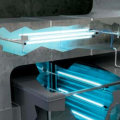
Ultraviolet (UV) light is a form of electromagnetic radiation that is emitted by the sun and artificial sources such as tanning beds. It exists in wavelengths shorter than visible light, making it invisible to the human eye. Despite its invisibility, UV light plays a significant role in our lives, influencing everything from our skin health to the environment. Understanding the different types of UV light—UVA, UVB, and UVC—is essential for recognizing their effects on human health and the importance of protective measures.There are three primary types of UV light: UVA , UVB , and UVC.
Each type has distinct characteristics and impacts on our bodies. UVA rays have the longest wavelengths and can penetrate deep into the skin, leading to premature aging and increasing the risk of skin cancer. These rays are present year-round, even on cloudy days, making them a constant threat. On the other hand, UVB rays are responsible for causing sunburns and play a crucial role in the development of skin cancer.
They have shorter wavelengths and are more intense than UVA rays, particularly during the summer months.UVC rays, while the most harmful type of UV radiation, are mostly absorbed by the Earth’s atmosphere and do not reach the surface. However, artificial sources like mercury lamps can emit UVC radiation, posing risks in certain environments. Understanding these distinctions is vital for anyone looking to protect themselves from the harmful effects of UV exposure. By recognizing how each type of UV light interacts with our skin and eyes, we can take informed steps to safeguard our health against potential damage.
The Health Risks Associated with UV Light Exposure
Exposure to ultraviolet (UV) light poses significant health risks that can have lasting effects on both the skin and eyes.Understanding these dangers is crucial for taking appropriate protective measures.
Skin Cancer
One of the most alarming consequences of UV exposure is the increased risk of skin cancer. The two primary types of skin cancer associated with UV radiation are:
- Basal Cell Carcinoma (BCC) : This is the most common form of skin cancer, often appearing as a small, shiny bump or a sore that doesn’t heal. BCC typically develops in areas frequently exposed to the sun.
- Melanoma : Although less common, melanoma is the most dangerous type of skin cancer. It can develop from existing moles or appear as new dark spots on the skin.
Early detection is critical for successful treatment.
Eye Damage
UV light can also lead to serious eye conditions. Prolonged exposure may result in:
- Cataracts : A clouding of the lens in the eye that can impair vision and lead to blindness if untreated.
- Pterygium : A growth on the conjunctiva that can obstruct vision and cause discomfort.
- Photokeratitis : Often referred to as "sunburn of the eye," this painful condition results from intense UV exposure and can cause temporary vision loss.
Premature Aging
In addition to serious health risks, UV exposure accelerates premature aging of the skin. This includes:
- Wrinkles : UV rays break down collagen and elastin fibers, leading to sagging and wrinkled skin.
- Age Spots : Also known as liver spots, these flat brown spots appear on sun-exposed areas and are a sign of sun damage.
- Loss of Skin Elasticity : Over time, the skin loses its firmness and elasticity due to UV damage, resulting in an aged appearance.
How UV Light Affects Skin Health
Ultraviolet (UV) light is a significant factor in skin health, with its effects ranging from immediate damage to long-term consequences. Understanding how UV light impacts our skin is crucial for making informed decisions about protection and care.One of the most alarming statistics regarding UV exposure is the rising incidence of skin cancer.According to the American Academy of Dermatology , more than 9,500 people in the U. S. are diagnosed with skin cancer every day. This staggering number highlights the urgent need for awareness and preventive measures.
Skin cancer can be categorized into three main types: basal cell carcinoma, squamous cell carcinoma, and melanoma, with melanoma being the most dangerous due to its ability to spread to other parts of the body.UV radiation is primarily responsible for skin damage, leading to various conditions, including sunburns, premature aging, and skin cancer. There are two main types of UV rays that affect our skin:
- UVA rays : These rays penetrate deeply into the skin and are primarily responsible for photoaging, which includes wrinkles and loss of skin elasticity. UVA exposure can also contribute to the development of skin cancers.
- UVB rays : These rays are responsible for causing sunburn and play a significant role in developing skin cancer. They affect the outer layer of the skin and are most intense during midday.
Over time, this damage leads to visible signs of aging such as fine lines, wrinkles, and sagging skin. Additionally, UV radiation can cause DNA damage in skin cells, leading to mutations that may result in cancerous growths.To mitigate these risks, it is essential to adopt protective measures against UV exposure. Regular use of broad-spectrum sunscreen with an SPF of 30 or higher, wearing protective clothing, and seeking shade during peak sunlight hours can significantly reduce the risk of both immediate and long-term skin damage.In conclusion, understanding the effects of UV light on skin health is vital for prevention and early detection of potential issues. By being proactive about sun protection, individuals can safeguard their skin against the harmful effects of UV radiation.
The Impact of UV Light on Eye Health
While many people are aware of the dangers of UV light to skin health, fewer recognize its significant impact on eye health.Prolonged exposure to ultraviolet radiation can lead to various eye conditions, some of which can severely affect vision and overall quality of life.One of the most common conditions associated with UV exposure is cataracts. Cataracts occur when the lens of the eye becomes cloudy, leading to blurred vision and, in severe cases, blindness. Research indicates that UV radiation, particularly UVB rays, can accelerate the formation of cataracts. This condition is especially prevalent among individuals who spend a lot of time outdoors without proper eye protection.Another serious condition linked to UV exposure is pterygium , a growth of tissue on the conjunctiva that can extend over the cornea.
This growth is often referred to as "surfer's eye" due to its high incidence among those who spend extended periods in sunny environments. Pterygium can cause discomfort, redness, and even vision impairment if it grows large enough to obstruct sight. The risk factors for developing pterygium include not only UV exposure but also environmental factors such as wind and dust.In addition to cataracts and pterygium, UV light can also contribute to other eye issues such as photokeratitis , a painful condition akin to sunburn of the cornea. Symptoms include redness, tearing, and a gritty sensation in the eyes.
This condition is often temporary but can be quite uncomfortable.To protect your eyes from these harmful effects, consider the following precautions:
- Wear sunglasses: Choose sunglasses that block 100% of UVA and UVB rays. Look for labels indicating UV protection.
- Use wide-brimmed hats: A hat with a brim can provide additional shade for your eyes.
- Avoid peak sun hours: Limit outdoor activities during midday when UV rays are strongest.
- Consider protective eyewear: If you work outdoors or in environments with high UV exposure, use specialized protective eyewear.
Protective Measures Against UV Light Exposure
Protecting yourself from the harmful effects of UV light is essential for maintaining skin health and preventing long-term damage. Here are some effective strategies to minimize your exposure:1.Sunscreen Application Tips
- Choose the Right SPF: Select a broad-spectrum sunscreen with an SPF of at least 30.
This ensures protection against both UVA and UVB rays.
- Apply Generously: Use about one ounce (a shot glass full) to cover your entire body. Don’t forget areas like your ears, neck, and the tops of your feet.
- Reapply Regularly: Reapply sunscreen every two hours, or more often if you are swimming or sweating. Even water-resistant formulas need reapplication after 40 to 80 minutes of swimming.
- Use Daily: Make sunscreen a part of your daily routine, even on cloudy days or when indoors, as UV rays can penetrate windows.
2.Protective Clothing Choices
- Wear UV-Blocking Fabrics: Look for clothing labeled with an Ultraviolet Protection Factor (UPF). These fabrics are specifically designed to block UV radiation.
- Select Loose-Fitting Garments: Loose clothing allows for better airflow and reduces the risk of skin irritation while providing coverage.
- Accessorize Wisely: Use wide-brimmed hats to shield your face and neck, and consider UV-blocking sunglasses that protect against both UVA and UVB rays.
3.Additional Protective Measures
- Avoid Peak Sun Hours: Limit sun exposure between 10 a.m.
and 4 p.m., when UV rays are strongest.
- Seek Shade: Whenever possible, stay under umbrellas or trees, especially during peak hours.
- Consider UV Light Installation Companies: If you spend significant time outdoors, consider consulting with UV light installation companies for protective solutions in your environment, such as shade structures or UV-filtering window films.
The Role of UV Light Installation Companies in Protection Strategies
As awareness of the dangers posed by UV light continues to grow, many homeowners and business owners are seeking effective ways to protect themselves and their properties. This is where UV light installation companies come into play, offering a range of products and services designed to mitigate the risks associated with UV exposure.These companies specialize in the installation of protective solutions that can significantly reduce UV radiation levels indoors. Here are some key offerings from UV light installation companies:- Window Films: One of the most popular solutions is the application of UV-blocking window films. These films can be applied to existing windows, effectively filtering out harmful UV rays while allowing natural light to enter.
This not only protects skin and eyes but also helps preserve furniture and flooring from fading.
- UV-C Light Systems: Some companies offer advanced UV-C light systems that can be installed in HVAC systems or as standalone units. These systems are designed to kill bacteria and viruses, providing an additional layer of protection against airborne pathogens while also reducing the overall UV exposure in indoor environments.
- Protective Coatings: For businesses that rely on displays or products sensitive to UV damage, protective coatings can be applied to surfaces. These coatings act as a barrier against UV rays, extending the lifespan of items such as artwork, merchandise, and electronic displays.
- Consultation Services: Many UV light installation companies provide consultation services to assess specific needs and recommend tailored solutions. This personalized approach ensures that clients receive the most effective protection strategies based on their unique circumstances.
Regular checks can ensure that protective measures remain effective over time, adapting to any changes in environmental conditions or building usage.By investing in professional installations from UV light installation companies, individuals and businesses can take proactive steps toward safeguarding their health and property. With a variety of options available, it’s essential to choose solutions that best fit your specific needs and lifestyle.
Frequently Asked Questions About UV Light and Protection
Understanding UV light and its effects is crucial for maintaining skin health and overall well-being. Here are some frequently asked questions that can help clarify common concerns about UV light and how to protect yourself effectively.What is UV light?
Ultraviolet (UV) light is a type of electromagnetic radiation emitted by the sun. It is divided into three categories: UVA, UVB, and UVC.UVA rays penetrate the skin more deeply and are primarily responsible for premature aging and skin damage. UVB rays are responsible for sunburn and play a significant role in developing skin cancer. UVC rays are mostly absorbed by the Earth's atmosphere and do not reach the surface.
How can I protect myself from UV light?
- Use sunscreen: Apply a broad-spectrum sunscreen with an SPF of at least 30, even on cloudy days. Reapply every two hours, or more often if swimming or sweating.
- Wear protective clothing: Long-sleeved shirts, wide-brimmed hats, and UV-blocking sunglasses can provide additional protection against harmful rays.
- Avoid peak sun hours: Try to stay indoors or seek shade between 10 a.m.
and 4 p.m., when UV radiation is strongest.
- Install UV-blocking window films: If you spend a lot of time indoors near windows, consider using window films that block UV rays to reduce exposure.
Can I get sunburned on a cloudy day?
Yes, you can still get sunburned on cloudy days. Up to 80% of UV rays can penetrate through clouds, so it’s essential to apply sunscreen even when the sun isn’t shining directly.What are the long-term effects of UV exposure?
Long-term exposure to UV light can lead to serious health issues, including:- Skin cancer: Both UVA and UVB rays can damage DNA in skin cells, increasing the risk of skin cancer.
- Premature aging: Chronic exposure can lead to wrinkles, age spots, and loss of skin elasticity.
- Cataracts: Prolonged UV exposure can contribute to eye conditions such as cataracts and other forms of eye damage.
Conclusion: The Importance of Awareness and Protection from UV Light
In conclusion, the dangers posed by UV light are significant and multifaceted, affecting not only our skin but also our eyes and overall health. As we have explored throughout this article, the risks associated with unprotected exposure to UV radiation are alarming, with skin cancer rates continuing to rise. It is crucial for individuals to recognize that while some exposure to sunlight is beneficial for vitamin D production, excessive and unprotected exposure can lead to severe health consequences.To effectively combat these risks, awareness is key.Understanding the different types of UV rays—UVA and UVB—and their respective impacts on our skin and eyes is essential for making informed decisions about sun protection. Here are some critical takeaways:
- Regular Skin Checks: Monitor your skin for any changes or unusual growths, as early detection of skin cancer can significantly improve treatment outcomes.
- Use Sunscreen: Apply a broad-spectrum sunscreen with an SPF of at least 30 daily, even on cloudy days or when indoors, as UV rays can penetrate windows.
- Protective Clothing: Wear protective clothing, wide-brimmed hats, and UV-blocking sunglasses to shield your skin and eyes from harmful rays.
- Avoid Tanning Beds: These devices emit high levels of UVA radiation and significantly increase the risk of skin cancer.
- Seek Shade: Whenever possible, stay in the shade during peak sun hours (10 a.m. to 4 p.m.) when UV radiation is strongest.
By investing in UV-blocking films for windows or specialized lighting solutions, individuals can create safer spaces that minimize harmful exposure.Ultimately, taking proactive steps to protect ourselves from UV light is not just a personal responsibility; it is a collective effort that requires awareness and action from everyone. By prioritizing sun safety and utilizing available resources, we can significantly reduce our risk of developing serious health issues related to UV exposure. Let us commit to being vigilant about our sun protection habits and encourage others to do the same.