Indoor air quality (IAQ) is a critical aspect of our living environments that often goes unnoticed. While we may focus on the cleanliness of our homes and workplaces, the air we breathe indoors can be significantly more polluted than outdoor air. This is particularly concerning given that many individuals spend up to 90% of their time inside, whether at home, in offices, or in other enclosed spaces. The presence of various pollutants—ranging from volatile organic compounds (VOCs) to allergens like dust mites and pet dander—can have profound effects on our health and well-being.The importance of maintaining good indoor air quality cannot be overstated.
Poor IAQ has been linked to a variety of health issues, including respiratory problems, headaches, fatigue, and even long-term conditions such as asthma and cardiovascular diseases. Vulnerable populations, such as children, the elderly, and those with pre-existing health conditions, are particularly at risk. As awareness of these health implications grows, so does the urgency to address indoor air quality concerns.Moreover, the COVID-19 pandemic has heightened our awareness of airborne pathogens and their potential impact on health. As we navigate this new reality, ensuring clean indoor air has become a priority for many households and businesses alike.
This shift in perspective has led to an increased interest in innovative solutions for improving IAQ, including advanced technologies like UV light systems. These systems not only help eliminate harmful microorganisms but also enhance overall air quality, making them an essential consideration for anyone looking to create a healthier indoor environment.
What Are UV Lights and How Do They Work?
Ultraviolet (UV) lights are a form of electromagnetic radiation that exists just beyond the visible spectrum. They are categorized into three main types based on their wavelength: UVA, UVB, and UVC. Each type has distinct properties and applications, particularly in the realm of improving indoor air quality.Types of UV Lights
- UVA: This type has the longest wavelength (320-400 nm) and is primarily associated with skin aging and tanning.
While UVA is not typically used for disinfection, it plays a role in certain applications like curing plastics and inks.
- UVB: With a medium wavelength (280-320 nm), UVB rays are responsible for causing sunburn and have some disinfection properties. However, they are not as effective as UVC for air purification.
- UVC: This type has the shortest wavelength (100-280 nm) and is the most effective for killing microorganisms. UVC light disrupts the DNA or RNA of bacteria, viruses, and mold spores, rendering them unable to reproduce and effectively neutralizing their threat.
As air circulates through these systems, it passes by the UVC light source, which emits radiation that penetrates the cell walls of pathogens.This process leads to the destruction of bacteria and viruses, significantly reducing their presence in the air we breathe. Studies have shown that UVC lights can eliminate up to 99% of airborne pathogens within a short exposure time. This capability makes them an invaluable tool for maintaining a healthier indoor environment.Moreover, UV light installation companies often recommend regular maintenance and replacement of UVC lamps to ensure optimal performance. Over time, the intensity of UV light diminishes, which can reduce its effectiveness in killing microorganisms.
Therefore, understanding how these lights work and their types is essential for homeowners looking to enhance their indoor air quality.
The Role of UV Lights in HVAC Systems
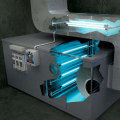
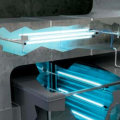
Integrating UV lights into HVAC systems is a transformative approach to enhancing indoor air quality. These systems, which are essential for regulating temperature and air circulation, can also serve as a platform for advanced air purification technologies. By strategically placing UV lights within the HVAC framework, homeowners can significantly reduce the presence of harmful microorganisms and allergens in the air.There are two primary methods for incorporating UV lights into HVAC systems: coil sterilization lamps and air sterilization lights. Coil sterilization lamps are typically installed near the evaporator coil, where they work to eliminate mold and bacteria that can accumulate on the coil itself.This not only helps maintain the efficiency of the HVAC system but also prevents these contaminants from being circulated throughout the home.On the other hand, air sterilization lights are placed within the ductwork. These lights emit UV radiation that targets airborne pathogens as they pass through the ducts, effectively neutralizing them before they enter living spaces. This dual approach ensures that both surfaces and airborne particles are treated, providing comprehensive protection against indoor air pollutants.The benefits of using UV lights in HVAC systems extend beyond mere disinfection. For instance:
- Improved Air Quality: By reducing mold spores, bacteria, and viruses, UV lights contribute to cleaner air, which is especially beneficial for individuals with allergies or respiratory conditions.
- Energy Efficiency: A clean evaporator coil operates more efficiently, leading to lower energy consumption and reduced utility bills.
- Extended Equipment Lifespan: Regular disinfection of coils and ducts can prevent corrosion and buildup, ultimately prolonging the life of HVAC equipment.
- Reduced Odors: UV lights can help eliminate odors caused by microbial growth, resulting in fresher indoor environments.
By effectively targeting both surface contaminants and airborne pathogens, these systems not only improve health outcomes but also promote energy efficiency and equipment longevity. As awareness of indoor air quality continues to grow, partnering with UV light installation companies can provide homeowners with tailored solutions that meet their specific needs.
Benefits of Installing UV Lights for Indoor Air Quality
Installing UV lights in your indoor environment offers a multitude of benefits that significantly enhance air quality and promote better health. These advantages extend beyond mere aesthetics, impacting the very air we breathe and the overall comfort of our living spaces.1.Reduction of Allergens and Pathogens
One of the most compelling reasons to consider UV light installation is its effectiveness in reducing allergens and pathogens. UV lights work by emitting ultraviolet radiation that disrupts the DNA of microorganisms such as bacteria, viruses, and mold spores.
This process effectively neutralizes these harmful agents, preventing them from circulating in the air and causing respiratory issues or allergic reactions.
2.Improved Respiratory Health
For individuals with pre-existing respiratory conditions, such as asthma or chronic obstructive pulmonary disease (COPD), the presence of airborne pathogens can exacerbate symptoms. By installing UV lights, homeowners can create a healthier indoor environment that minimizes irritants. Studies have shown that homes equipped with UV light systems report fewer respiratory problems among occupants, leading to improved overall health.
3.Enhanced HVAC Efficiency
UV lights not only purify the air but also contribute to the efficiency of HVAC systems. By keeping coils and ducts free from mold and bacteria buildup, these systems can operate more efficiently, reducing energy consumption and lowering utility bills.
A clean HVAC system is less likely to break down, resulting in fewer repair costs over time.
4.Long-Term Cost Savings
While there is an initial investment associated with UV light installation companies, the long-term savings can be substantial. By improving air quality and enhancing HVAC efficiency, homeowners may find themselves spending less on medical bills related to respiratory issues and on energy costs due to a more efficient heating and cooling system.
5.Peace of Mind
Finally, knowing that your indoor air quality is being actively managed provides peace of mind. Families can feel secure in their home environment, especially those with young children or elderly members who may be more susceptible to airborne illnesses.In summary, the benefits of installing UV lights for improving indoor air quality are numerous and impactful. From reducing allergens and pathogens to enhancing HVAC efficiency and providing peace of mind, these systems represent a proactive approach to maintaining a healthy living space.
Choosing the Right UV Light Installation Company
When it comes to enhancing your indoor air quality through UV light installation, selecting the right company is crucial.With numerous UV light installation companies available, making an informed choice can significantly impact the effectiveness of your air purification system. Here are some essential factors to consider when choosing an installation service.
- Experience and Expertise: Look for companies with a proven track record in UV light installations. Experienced technicians are more likely to understand the nuances of different HVAC systems and can provide tailored solutions that meet your specific needs.
- Customer Reviews and Testimonials: Research online reviews and testimonials from previous clients. Positive feedback can indicate a company’s reliability and quality of service.
Websites like Yelp, Google Reviews, and the Better Business Bureau can provide valuable insights into customer satisfaction.
- Service Offerings: Not all companies offer the same range of services. Some may specialize in residential installations, while others focus on commercial systems. Ensure that the company you choose has experience with your type of system and offers comprehensive services, including maintenance and support.
- Pricing Transparency: Request detailed quotes from multiple companies to compare pricing structures. Be wary of unusually low prices, as they may indicate subpar materials or services.
A reputable company should provide a clear breakdown of costs, including installation fees, equipment, and any additional services.
- Warranty and Support: Inquire about warranties on both the UV lights and the installation work. A solid warranty can provide peace of mind, ensuring that you are covered in case of any issues post-installation. Additionally, check if the company offers ongoing support or maintenance services.
Installation Process: What to Expect?
When considering the installation of UV lights in your HVAC system, it’s essential to understand the typical process and what you can expect.This installation not only enhances your indoor air quality but also requires some modifications to your existing system.
Initial Assessment
The first step in the installation process involves a thorough assessment of your HVAC system by a qualified technician from one of the UV light installation companies. They will evaluate your current setup, including the size and type of your HVAC system, to determine the best placement for the UV lights. This assessment is crucial as it ensures that the UV lights will be effective in eliminating harmful microorganisms.
Choosing the Right UV Light System
After the assessment, you will discuss options with the technician. There are generally two types of UV light systems available:
- Coil Sterilization Lamps: These are installed directly within the HVAC unit, targeting the evaporator coil to prevent mold and bacteria growth.
- Air Sterilization Lights: These are placed within the ductwork, allowing for broader coverage throughout your home’s air circulation.
Installation Day
On the day of installation, expect a few hours of work.
The technician will:
- Turn off your HVAC system to ensure safety during installation.
- Access the internal components of your HVAC unit or ductwork, which may involve removing panels or covers.
- Install the UV lights in the designated areas, ensuring they are securely mounted and properly connected to power sources.
- Make any necessary modifications to your existing ductwork or HVAC components to accommodate the new system.
- Test the system to ensure that everything is functioning correctly and that the UV lights are effectively operational.
Post-Installation Considerations
Once installed, it’s important to understand that regular maintenance is key to maximizing the benefits of your UV light system. Technicians typically recommend checking and replacing UV bulbs every 9,000 hours of operation or annually, depending on usage. This ensures that your air quality remains at its best.In summary, installing UV lights in your HVAC system is a straightforward process when handled by professionals. By understanding what to expect during installation and any necessary modifications, you can better prepare for this valuable enhancement to your indoor air quality.
Maintenance and Care for UV Light Systems
To ensure that your UV light systems operate at peak efficiency, regular maintenance and care are essential.Just like any other component of your HVAC system, UV lights require attention to maintain their effectiveness in improving indoor air quality.
Regular Inspections
Conducting regular inspections of your UV light systems is crucial. Check the bulbs for any signs of wear or damage. If you notice any discoloration or flickering, it may be time to replace the bulb. Additionally, inspect the surrounding areas for dust and debris that could obstruct the light's effectiveness.Cleaning the Fixtures
Dust and grime can accumulate on the UV light fixtures, reducing their ability to purify the air.It is advisable to clean these fixtures periodically. Use a soft cloth and a mild cleaning solution to wipe down the surfaces without damaging the components. Ensure that the power is turned off before performing any cleaning tasks.
Replacement Schedule
The longevity of UV lights can vary based on usage and environmental factors. Generally, it is recommended to replace UV bulbs every 9,000 hours of operation or at least once a year.Some manufacturers may provide specific guidelines, so always refer to the user manual for your particular system.
Professional Maintenance
While homeowners can perform basic maintenance, enlisting the help of UV light installation companies for professional servicing can enhance the lifespan and performance of your system. These experts can conduct thorough inspections, replace bulbs, and ensure that all components are functioning correctly.Monitoring Performance
Keep an eye on your indoor air quality and HVAC performance. If you notice a decline in air quality or an increase in allergens, it may indicate that your UV lights are not functioning optimally. Regular monitoring can help you catch issues early and address them promptly.By following these maintenance tips, you can extend the life of your UV light systems and continue to enjoy cleaner, healthier indoor air.Common Misconceptions About UV Lights
As the popularity of UV lights for improving indoor air quality grows, so do the misconceptions surrounding their use.Understanding these myths is crucial for homeowners and businesses considering UV light installation as a solution for air purification.
Myth 1: UV Lights Are Harmful to Humans
One of the most prevalent misconceptions is that UV lights pose a health risk to humans. While it is true that direct exposure to UV radiation can be harmful, the UV lights used in HVAC systems are designed to operate safely within ducts and coils. When installed correctly by professional UV light installation companies, these systems minimize exposure to occupants while effectively eliminating harmful microorganisms.
Myth 2: UV Lights Replace Air Filters
Another common myth is that UV lights can replace traditional air filters. In reality, these two technologies serve different purposes.
Air filters capture larger particles such as dust and pollen, while UV lights target smaller pathogens like bacteria and mold spores. For optimal indoor air quality, both systems should be used in conjunction.
Myth 3: All UV Lights Are the Same
Not all UV lights are created equal. There are different types of UV lamps, including UVC lamps specifically designed for disinfection. Homeowners should consult with UV light installation companies to choose the right type of lamp for their specific needs, ensuring maximum effectiveness in purifying indoor air.
Myth 4: UV Lights Are Expensive to Maintain
Some believe that maintaining a UV light system is costly and complicated.
However, most systems require minimal maintenance, such as replacing bulbs every 9,000 hours of operation or annually. The long-term benefits of improved air quality and reduced health risks often outweigh these maintenance costs.
Myth 5: UV Lights Only Work in Dark Environments
This myth suggests that UV lights are ineffective in well-lit spaces. In fact, UV technology works regardless of ambient light conditions. The effectiveness of UV lights in killing pathogens is based on exposure time and intensity rather than surrounding light levels.By debunking these myths, potential users can make informed decisions about incorporating UV technology into their indoor environments.
Consulting with reputable UV light installation companies can provide clarity and ensure that the chosen system meets safety standards while enhancing indoor air quality.
Real-Life Applications: Success Stories with UV Lights
Across various sectors, the implementation of UV light systems has yielded remarkable results in enhancing indoor air quality. Here are some compelling success stories that highlight the effectiveness of these installations.Residential Success: The Johnson Family
The Johnson family, residing in a suburban neighborhood, faced persistent issues with mold and allergens in their home. After consulting with UV light installation companies, they decided to install a UV light system within their HVAC unit. Within weeks, they noticed a significant reduction in dust and mold spores circulating in their home.Their children, who previously suffered from seasonal allergies, experienced fewer symptoms, leading to a healthier living environment.
Commercial Case Study: Green Valley Hospital
Green Valley Hospital implemented UV light technology in its air handling units to combat airborne pathogens. Following the installation, the hospital reported a 90% reduction in airborne bacteria levels. This improvement not only enhanced patient safety but also contributed to a decrease in hospital-acquired infections. The hospital administration praised the UV light installation companies for their expertise and the swift implementation of this vital health measure.Restaurant Transformation: Bella Italia
Bella Italia, a popular local restaurant, struggled with maintaining air quality due to high foot traffic and kitchen emissions.After installing UV lights in their ventilation system, they observed a marked improvement in air freshness and cleanliness. Customers began to notice the difference, leading to positive reviews and increased patronage. The restaurant owner stated that the investment in UV technology not only improved customer satisfaction but also reduced cleaning costs associated with grease buildup.
Testimonials from Satisfied Clients
- "Since we installed the UV lights, our home feels fresher, and my allergies have improved significantly!" - Sarah M., Homeowner
- "The difference is night and day! Our patients are safer, and our staff feels more comfortable working here." - Dr. Lee, Hospital Administrator
- "Our restaurant has never smelled better! Customers keep coming back for more!" - Marco R., Restaurant Owner
Whether for residential or commercial purposes, the benefits are clear: healthier environments lead to happier lives.
Conclusion: The Future of Indoor Air Quality Solutions with UV Technology
As we look towards the future of indoor air quality solutions, the role of UV light installation companies becomes increasingly significant. The advancements in UV technology not only promise to enhance the air we breathe but also offer a proactive approach to maintaining a healthier living environment. Throughout this article, we have explored the multifaceted benefits of integrating UV lights into HVAC systems, highlighting their effectiveness in eliminating harmful microorganisms such as bacteria, mold, and viruses.One of the most compelling aspects of UV light technology is its ability to work synergistically with existing air filtration systems. While traditional filters capture larger particles, UV lights target and neutralize smaller pathogens that can evade standard filtration methods.This dual-layered approach ensures a more comprehensive purification process, significantly improving indoor air quality.Moreover, the installation of UV lights is not merely a trend; it is a necessary evolution in our approach to health and wellness within our homes and workplaces. With increasing awareness of the impact of indoor air pollution on respiratory health and overall well-being, investing in UV light technology is becoming a priority for many homeowners and business operators alike.As we continue to navigate through challenges posed by airborne diseases and allergens, the demand for effective air purification solutions will only grow. UV light installation companies are at the forefront of this movement, providing essential services that contribute to healthier indoor environments. Their expertise not only ensures proper installation but also offers guidance on maintenance and optimal usage, maximizing the benefits of UV technology.In conclusion, embracing UV light technology represents a forward-thinking strategy for improving indoor air quality.
As we prioritize our health and comfort in our living spaces, it is crucial to consider how these innovative solutions can play a vital role in safeguarding our well-being. By partnering with reputable UV light installation companies, we can take significant steps towards creating cleaner, safer indoor environments for ourselves and future generations.